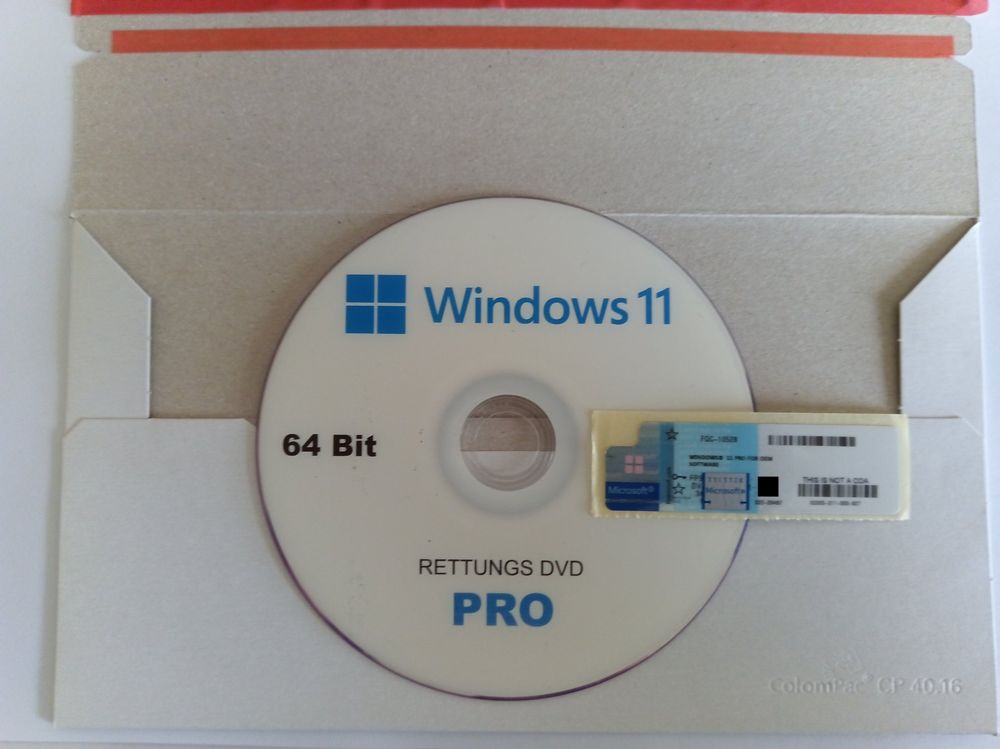
Windows 7's demise signified the end of an period of the management and licensing of software. For individuals and businesses clinging to `windows 7`, the upgrade path to Windows 11 is not a simple re-installation--it's a migration to a fundamentally different digital paradigm. This covers how to purchase a Windows 11 license, how you can secure your computer and how you can work with Office. Cloud-integrated licensing, digital licences and protection across the ecosystem have replaced the world of one-time purchases, physical media or isolated software suites. To make the transition smooth it is essential to comprehend the key intersections that exist between old practices, modern necessities as well as the OS. The choices you make regarding your OS directly affect your productivity and security posture.
1. Hardware Gauntlet. Your first and unassailable step.
Windows 11 hardware requirements are important to understand prior to purchasing Windows 11 (TPM 2, Secure Boot and CPU modern). This check will fail many Windows 7 machines, particularly ones that are older than 2017. This isn't a Microsoft cash-grab, but rather a security requirement. These features form the “hardware foundation for trust" that modern security tools, such as Windows Defender, and third-party software like Kaspersky premium, depend on. The use of non-official ISO mods creates an unstable and unsupportable system, which nullifies all the security benefits the upgrade provides. You are left less secure than with Windows 7.
2. License migration myth: Your Windows 7 Key (mostly obsolete)
Windows 10 could be activated using a Windows 7 Pro product key. The time-frame for grace periods with Windows 11 is now over. Windows 7 OEM or OEM-licensed hardware especially if the motherboard is outdated is not able to upgrade to Windows 11 if the hardware doesn't meet the requirements. That means you're starting from scratch. It means that your search for Windows 11 lizenz is a completely new procurement exercise. This means you have to begin from scratch and understand the new landscape of OEM/Retail.
3. The Office Licensing Revolution - From Standalone Licensing to Ecosystem.
If you are running Office 2010 or 2013, you are used to the recurring "office lizenz". Office 2021 is the modern version. It receives security updates but no new features. Microsoft 365, the subscription-based upgrade for productivity, is now the most popular option. This is an important shift. It's not only about the upgrade of Office. You also get a cloud identity with Azure AD, 1TB OneDrive and the ability to collaborate in real time. Office lizenz shouldn't be purchased every decade and should instead be used as an ongoing cost that covers services and updates.
4. Security is not an afterthought. Reset the paradigm.
If you're using Windows 7, your strategy most likely used a third-party security like an old `norton 360` suite. Windows 11 changes the game. Windows Security (Defender), the built-in security solution is now cloud-integrated, and is of the highest quality. Installing an old security software can result in problems with performance and conflict. When you upgrade is a good moment to reevaluate. Do you need a separate security suite, such as Kaspersky Premium, required or can Defender and the latest hardware capabilities suffice? The answer depends on your threat profile, but you don't have to buy separate anti-virus software.
5. The Clean Install Imperative and Data Migration Strategy
Upgrades from Windows 7 to Windows 11 are not supported. Unstable installations can cause. The installation must be clear. This process forces a disciplined data migration. The time is right to switch your local drives over to cloud backups. Microsoft 365 is included in the subscription. The configuration of Known Folder Move - to backup your Desktop, Documents or Pictures during setup converts data migration from a manual process into an ongoing and seamless cloud-based, synchronized process. Your data is no longer PC-centric but user-centric.
6. The Professional Feature Crossroads – Professional is the New Minimum.
Windows 11 pro is necessary in the event that Windows 7 Professional has been used to host Remote Desktop, BitLocker and domain join. A home key for Windows 11` is a crippling mistake for any professional or business use. Home cannot join domains, isn't equipped with BitLocker encryption and has no Group Policy Editor. Windows 11 Pro can only be used by Windows 7 Pro users who possess a Microsoft 365 Business license or a retail license.
7. Beware of Grey Market Sirens Calling During the transition.
Many people are enticed to buy cheap Windows11 OEM license keys from the gray market due to the urgency to upgrade. This is a terrible mistake to make in a time of transition. These keys are not reliable and will make you a poor foundation when you begin to construct an entirely new system. Making the investment in a retail license or a subscription that includes Windows (like Microsoft 365 Business) will give you security and immediate support, as well as a future upgrade route. When a grey market license is turned off, you'll lose all your information and the time you've spent.
8. Cloud-based Future-Proofing – The Server Connection
Windows Server 2025 will be your preferred server If you have a Windows 7 system was a part of an internet domain. Windows 11 Pro is not enough to be able to connect with modern technology. Also, you must understand cals, or Client Access Licenses. Azure Active Director is the cloud-based alternative. It is included in Microsoft 365 Business. After you have upgraded to Windows 7, it's time to take a decision. Do you continue to invest in on-premise servers, CALs as well as cloud-based device management (Intune) or change to a subscription-based solution? Both paths differ in terms of licensing and costs.
9. Driver Archaeology: The Need for a Modern Hardware Base
Windows 7 was successful because of a huge library legacy drivers. Windows 11 relies heavily on drivers that are usually downloaded from the cloud through Windows Update. Windows 7 is often the only device which can run specialized hardware. The upgrade evaluation must include an extensive hardware compatibility assessment. This will often reveal that the upgrade requires new hardware. Therefore, a brand new computer with Windows 11 OEM is the most effective secure, stable, and reliable option.
10. The shift in mindset: from ownership to access and management.
Upgrades from Windows 7 represents a change in the way you think about things. The static model of software ownership (windows7 DVD or Microsoft Office 2010 box) is being replaced with an subscription-based service or digital license that is characterized by very strict transfer limitations. Security advances. From an individual antivirus to an integrated security solution that relies on hardware. Data is transferred from local storage to the cloud. Accepting the whole-of-life change by using genuine Windows 11 Pro licensing, an Microsoft 365 membership, and taking advantage of the modern security is the only option to ensure that the upgrade provides not just a new OS as well as a robust and manageable computing platform for the coming decade. Have a look at the top rated windows 11 oem for blog advice including office 365 key, ms visio software, micro soft outlook, office 2016 software, visio download, windows server 2016 os, product keys, micro soft outlook, micro soft outlook, windows office software and more.

Understanding Windows Server 2025 Client Access Licenses (Cals) And Windows Server 2025 For Business.
The deployment of a Windows server 2025 is significant progress for growing companies, transforming it from a system of peer-to-peer computers to a centrally-managed IT infrastructure. However, the most significant and expensive misunderstanding of this transition isn't about the software for servers. It's the Client Access Licenses or "cals" requirement. This is not an option but rather an integral part of the Microsoft ecosystem. If you do not properly license access to your client, it could result in IT projects getting slowed down and severe penalties for compliance in an audit, and a chain dependency that impacts everything including your desktop OS selections to your security software and productivity. This guide provides 10 interrelated concepts essential for any business to know when preparing for Windows Server 2020. It illustrates how server licensing affects your entire desktop environment and its legality.
1. The Server License is just the cost of entry.
When you buy a "Windows Server 2025" license, it gives you the ability to install and operation on a live or virtual machine. It is important to note that this license doesn't grant the user or device access to. This license must be purchased separately through CALs. It's like renting the stage and venue for a concert. You'll need to purchase a CAL or ticket for each person (User-CAL) and the device (Device-CAL) who will be entering the theater, regardless if they're listening actively or just relaxing.
2. CALs & Desktop OS Legitimacy - An Inseparable pair
You are not legally able to utilize a CAL to provide access to clients that is running an unlicensed operating system. It is not advisable to purchase CALs if your workstations for business have been activated using grey-market "Windows 11 OEM" key purchased from a "Windows 11 license purchase" discount website. Microsoft's license rules require that the OS on which the software has been installed must be licensed correctly. An audit will first invalidate the desktop licenses, making the CALs--and potentially the server access itself--non-compliant. The entire stack from your desktop to your server, needs to be in good order.
3. Modeling your workforce: The difference between the device CAL and user CAL.
It is a financial choice. A User CAL allows a specific user (e.g. the desktop, a laptop, or t tablet) to access the Server from any number(s) of devices. A Device CAL licenses access to a certain device (e.g. workstations shared across factory floors) by any number users. The most cost-effective choice will depend on your usage patterns. Utilizing User CALs is better when you have a mobile workforce that uses several devices. The scenario of shift workers sharing a few dedicated terminals makes Device CALs more affordable. Mixing types can be done however management becomes more complex.
4. Windows 11 Home Is Technically and legally incompatible.
Windows 11 Home machines cannot join traditional Active Directory Domains, which is a key characteristic of Windows Server. Even if technical workarounds were employed, they would be in direct violation of the licensing. Client devices that need to utilize services, such as file-sharing, print queues and the like, need to authenticate. Windows 11 Pro Enterprise Edition or Education should be running on the "windows servers 2025". A Windows Home Key for any business computer is a waste even if a server deployment in the future even seems possible.
5. The Security Management Nexus - Server, CALs and Endpoint Security
Group Policy can be used to centralize the management of security policies through a Windows Server environment that has CALs. This helps reduce the amount of configuration work and expenses associated with standalone security software. To prevent the hassle of configuring Kaspersky Premium and Norton 360 for each 50 devices, the policies can send settings that are consistent from the server. Your security investment for your endpoints is more efficient and labor intensive when you use the server as an management tool. The CAL allows this managed connection.
6. Office License Synergy within a Server Environment
If you have a Windows server in 2025, it's probable that your users are accessing documents shared by others. The option of using office licensing (perpetual Office 2021) vs. the Microsoft 365 subscription is impacted. Microsoft 365 Business Premium/Enterprise Plans include Azure AD for Active Directory synchronization as well as Intune to manage devices. It's an Identity Model that is hybrid, that makes it easier to secure access to resources in the cloud (Microsoft 365 Apps) and on premises (Server 2025) Subscriptions tend to be more connected than standalone perpetual licensing.
7. Alternative License for Public Access "External Connector".
CALs only apply to your internal devices and users. If you need to provide access to your server to users outside of your network (e.g. customers who log into a website hosted on your server, anonymous FTP users), you cannot make use of CALs for them. Windows Server External Connector (EC) is a licence for the Windows Server External Connector, is the one you must purchase. This is a once-off license, attached to your server. It allows unlimited anonymous access for other users. Knowing this distinction can prevent massive compliance violations when deploying publicly-facing services.
8. The CALs are version-specific, but upwardly compatible.
You can purchase CALs (e.g. Windows Server 2020 CALs) for a specific server version. These CALs can be used to connect servers running the version in question or any prior version. A 2025-CAL will give you access to all servers running a version of 2025. However, later versions will not be supported. You will have to buy an additional set of CALs if you upgrade to Windows Server 2029. It is important to incorporate this into your IT budgeting.
9. Virtualization and CALs. The "Every Access" rule.
In virtualized environments, the CAL is still required, but it's determined by access, not the virtual machine (VM) itself. It is necessary to have 50 user Cals if there are 50 users using the file sharing service which is running on a virtualized edition of "Windows Server 2025". (Or sufficient Device CALs to support the devices used by these 50 users). Your CAL requirement isn't dependent on the number of virtual machines that you run; it's determined by how many users or devices are accessing these virtual machines. This prevents over-purchasing for complex virtual configurations.
10. The reality of Total Cost Ownership (TCO), over and above the sticker price of the server.
The business case for `windows server 2025should include the complete licensing stack, which includes the server license itself and the CALs required for all devices/users, and the requisite upgrade of all client PCs to Windows 11 Pro (if not already). The comparison of cloud alternatives (such as transfer of file shares to SharePoint or using Azure Active Directory) requires you to calculate the initial capital cost (CapEx) in addition to the ongoing cost of maintaining the physical server. The subscription model used for cloud services can be more affordable for small- to medium-sized businesses than the expense of hardware, windows Server 2025 licenses and cals as well being the required Windows 11 Pro updates for the fleet. The choice isn't just technical, but the financial and architectural aspects are also important. Follow the top rated norton 360 for site recommendations including microsoft visio software, windows server 2016 server, visio software download, windows office software, windows and office, micro soft outlook, windows server 2016 os, office 2019 professional plus, visio software download, microsoft office with key and more.